


Baby Games for 2-5 Year Olds
3.527.00 Reviews
App Specs
- Version
- 1.8.0
- Updated On
- License
- Free
- Downloads
- 500,000+
- Developer
- Amaya Kids - learning games for 3-5 years old
- Categories
- Educational
- Platform
- Android
Screenshots



 Analysis by AppCompare
When I’m choosing a game for a young child, I want something they can explore without needing me to explain every tap, but I also want to know what the play is actually offering. Baby Games for 2-5 Year Olds is an educational game from Amaya Kids - learning games for 3-5 years old, aimed at babies, toddlers and young children. Its current version is 1.8.0, and it has been available since November 16, 2022. That gives parents a concrete starting point: this is an established app, not a newly launched experiment, though a version number alone doesn’t tell me exactly how its content has changed.
Who I’d choose it for
I see the best fit as a child who likes switching between short, hands-on activities and is still learning how to use a touchscreen. The mix of puzzles, music, and drawing gives a parent more than one kind of play to offer, so it can suit a child whose interest changes from day to day. It may also work well when an adult wants to sit nearby and turn a quick game into a small conversation: name the animal, talk about the colors, or ask what sound an instrument makes.
It is less suitable if you’re looking for a structured lesson plan, detailed progress reports, or a game designed around one specific learning goal. I’d also skip it as a substitute for shared play or hands-on activities. A digital puzzle can invite a child to match shapes, but it isn’t the same as handling blocks, drawing on paper, or making music together.
How it fits into an ordinary day
One realistic use is a short wait at a clinic or a pause before dinner, when a child needs something quiet and simple to focus on. I’d choose one activity together, let the child try it, then put the device away rather than treating the app as an open-ended babysitter. For a longer car trip, it may be handy if the game works offline on your device, but I would check that before leaving rather than assume every feature will be available without a connection.
A useful parent habit is to watch how the child responds to each type of activity instead of judging the app by how long it holds attention. If a puzzle prompts repeated attempts, that may be a better moment to encourage problem-solving than to rush to the next game. If the music activity turns into random tapping, that can still be enjoyable, but it may not be the kind of focused practice you had in mind.
How it compares with other toddler games
Many early-childhood apps lean heavily on one format, such as letter drills, matching games, or a collection of videos. This one’s appeal is its variety: puzzles, musical play, and coloring give children different ways to interact without requiring a parent to choose a separate app for each kind of activity. The trade-off is that a broad collection may feel less focused than a dedicated phonics or number-learning game. If your main goal is practicing a specific skill, I’d pick an app built around that skill and use this one as a change of pace.
Compared with physical toys, the game is easier to carry and can offer a tidy option for a waiting room, but it can’t replace the sensory feedback of crayons, instruments, or puzzle pieces. I’d treat it as one small part of a child’s play options, not as a digital version of every activity it imitates. That distinction matters most for drawing: on-screen coloring avoids cleanup, while paper gives a child more room to make marks and feel different materials.
Worth Reading Before You Choose

EA SPORTS FC Mobile 26 Is a Bigger Football Game, but It Takes Time

Flipboard Shows What News Apps Must Do Beyond the Feed

Switching to Android Auto Means Rethinking Your Driving Routine

Google Calendar Makes a Crowded Week Easier to Manage

Ludo King Makes the Most of the Minutes Between Plans

Baby Panda World Brings Quick Play to Modern Phones, but Its Game Library Feels Busy
What’s Inside the App?
So, let me break it down for you. This app is a vibrant wonderland designed specifically for toddlers. It’s packed with a variety of mini-games aimed at boosting creativity and nurturing basic skills. The interface is super colorful, and trust me, it’ll catch your child’s eye right from the get-go.
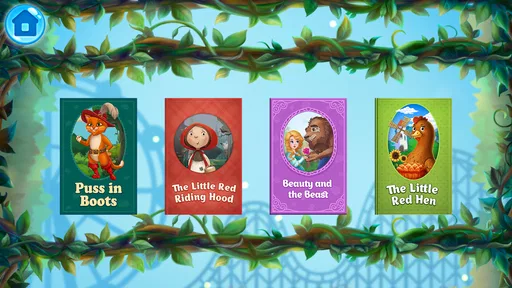
From puzzles to interactive stories and musical games, Baby Games for 2-5 Year Olds has a little bit of everything. It’s kind of like handing your kid a digital playground that’s both fun and educational. And as we all know, when learning feels like play, it’s a win-win!
Engaging Features
One of the things I love about this app is its simplicity. The developers have clearly kept the little ones in mind. The games are intuitive, and even if your child is just starting to explore the world of apps, they’ll find it easy to navigate. Plus, there’s no text-heavy instruction manual. Everything is pretty much self-explanatory.
The app offers a wide array of activities such as:
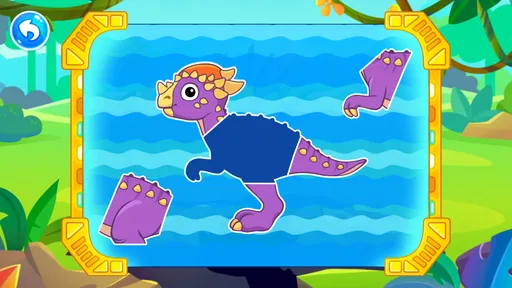
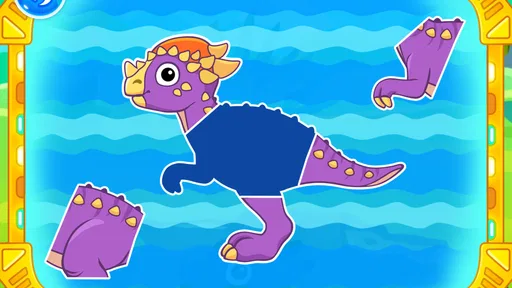
- Puzzles: These are designed to encourage problem-solving and improve fine motor skills. My kid absolutely loves the animal puzzles!
- Musical Games: Little ones can tap on different instruments and create their own tunes. Who knows, you might have a budding musician on your hands!
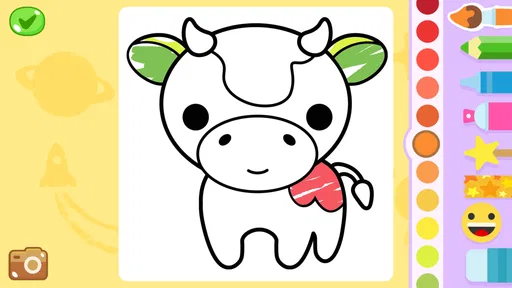
- Drawing and Coloring: Unleash your child's inner artist with virtual drawing tools. It’s mess-free creativity at its best.
Each game is crafted to keep your child’s attention and stimulate their developing minds. The app is like having a mini classroom at your fingertips.
Why Your Toddler Will Love It
Alright, let's talk about the fun factor. Kids are little explorers, and this app perfectly taps into their curiosity. It’s designed to be interactive, and the feedback is immediate. When your toddler completes a task, they’re greeted with cheerful sounds and animations, which is a great way to reinforce positive behavior.
Another great thing? The app doesn’t bombard your child with ads. This means they can focus on playing without any interruptions, and you can have peace of mind knowing they’re not being exposed to unwanted content.
Parental Insights
From a parental perspective, the app is a gem. It’s safe, it’s educational, and it’s entertaining. What more could you ask for? I also appreciate that it doesn’t require a constant internet connection, so it’s a lifesaver for those long car rides or waiting room boredom busters.
Plus, there’s a section for parents where you can track your child’s progress. It's really thoughtful how the app allows you to see which activities your child enjoys the most and how they’re developing their skills over time.
Cost, age fit, and the current state
The game is free to download, with in-app purchases listed from $5.99 to $39.99 per item. I’d let a child try the available play first and check what is included before considering a purchase; a young player may not understand purchase prompts, so it’s sensible for an adult to manage the device and spending settings. The Everyone content rating is another useful point for families, though an age label is not a substitute for checking whether a particular activity suits your child.
Its average rating is 3.5 from around 500 ratings, with a few dozen written reviews. I take that as a reason to approach it with measured expectations rather than assume every family will have the same experience. More than 500,000 installs suggest it has reached a sizeable audience, but popularity doesn’t tell you whether its particular mix of activities will suit your child.
What the version tells me—and what it doesn’t
The current release is version 1.8.0, while the game’s release date is November 16, 2022. Those facts show that it has a version history beyond its initial launch, but they don’t establish which features were added or changed along the way. I wouldn’t infer a major redesign, new learning tools, or a specific improvement from the version number alone. If you already have it installed, the practical question is whether the activities your child likes remain easy to find and enjoyable after updating.
For a new installation, the minimum operating-system requirement is Android 5.1. That makes compatibility worth checking before downloading, especially on an older device. I’d also test the game yourself before handing it over: confirm it opens properly, see how the child moves between activities, and check that any purchase-related screens are understandable and adult-controlled. That quick setup check is more useful than relying on a general promise of toddler-friendly design.
Small ways to get more from the play
Rather than letting a child jump from activity to activity, I’d use the variety deliberately. Start with a puzzle when they seem ready to concentrate, then switch to music or coloring if they’re getting restless. This makes the app’s range a practical advantage, but it also helps you notice whether your child prefers matching, sound, or open-ended expression. Those preferences can guide what you offer offline later, such as a real puzzle or paper and crayons.
For a first session, I’d sit with the child and let them lead while I observe which buttons they understand without help. If they keep leaving an activity because they can’t work out what to do, that’s a cue to demonstrate once or choose something simpler rather than assume they aren’t interested. The game’s accessible feel is a plus, but a young child’s comfort with touchscreens varies, and adult support can make the difference between frustration and a satisfying try.
I’d also keep sessions purposeful and modest. A short turn can be a welcome distraction, while repeated use as the default activity may crowd out conversation, movement, and play with objects. This is not a criticism unique to this game; it is simply the trade-off of screen-based entertainment for very young children. The best results, in my view, come when an adult occasionally joins in and connects what appears on screen to something the child can see or do in the room.
Where I’d be cautious
The range of activities is appealing, but the app’s broad educational framing shouldn’t be mistaken for a complete curriculum. It can provide playful moments around puzzles, sound, and art; I wouldn’t rely on it alone to teach early reading, counting, or any other defined subject. Parents who want clear goals and a sequenced path may be happier with a more specialized learning app, while children who enjoy exploring different kinds of play may prefer this collection.
There are also practical trade-offs around paid content and device use. Free access makes it easy to try, but the listed in-app purchase range means families should review the available options before a child uses the device independently. If you need a completely hands-off experience, or want a tool that records detailed learning outcomes, this may not be the right choice. I’d consider it a casual play companion that works best with an adult nearby, not a replacement for supervision.
For families deciding whether to keep using it, I’d look for a simple sign: does the child return to an activity with curiosity, or do they tap through without engaging? If it’s the first, a brief shared session can be worthwhile. If it’s the second, there is little reason to insist; a book, toy, or outdoor activity may fit the moment better. The useful choice is the one that matches the child’s mood and needs, not the one with the brightest screen.
Final Thoughts
In a nutshell, Baby Games for 2-5 Year Olds is a fantastic app for your pint-sized tech enthusiasts. It’s packed with educational yet entertaining content that keeps kids engaged while allowing them to learn at their own pace. If you’re on the hunt for an app that offers a blend of fun and education, this one deserves a spot on your device.
So, give it a whirl and watch your little one's face light up with joy and curiosity. After all, learning should be as much about having fun as it is about gaining knowledge, don’t you think?
Pros
- Engaging and colorful graphics.
- Simple controls for young kids.
- Educational content included.
- Variety of mini-games offered.
- No in-app purchases required.
Cons
- Limited content without updates.
- Repetitive background music.
- Some games lack instructions.
- Requires constant internet connection.
- Ads may interrupt gameplay.
FAQs for Baby Games for 2-5 Year Olds
What age group is Baby Games for 2-5 Year Olds suitable for?
Baby Games for 2-5 Year Olds is specifically designed for children aged 2 to 5 years. The games within the app are tailored to support the developmental stages of toddlers and preschoolers, focusing on enhancing cognitive skills, hand-eye coordination, and creativity. Parents can rest assured that the content is age-appropriate and engaging for young minds.
What types of games are included in the app?
The app features a variety of games that cater to different learning aspects. From puzzles and memory games to coloring and basic math challenges, each game is designed to be both fun and educational. The diversity ensures that children can explore various skills, keeping them entertained while also promoting learning development.
Is Baby Games for 2-5 Year Olds safe for my child to use?
Yes, the app prioritizes child safety. It is free from inappropriate content and does not contain ads that might lead to external websites. The design ensures that children remain within the app, providing a secure environment where they can play and learn without external distractions or risks.
Does the app require an internet connection to function?
No, Baby Games for 2-5 Year Olds does not require an internet connection to play the games. This feature makes it highly convenient for use during travel or in areas with limited internet access, ensuring that your child can enjoy the content anytime, anywhere without interruptions.
Are there in-app purchases or hidden costs?
The app is primarily free to download and use, but it may offer additional content or features through in-app purchases. These purchases are optional and designed to enhance the gaming experience. Parents can manage these settings to prevent accidental purchases, ensuring transparency and control over any potential costs.


